What Does the Clutch Pedal Do in a Car?
The clutch pedal in your car lets you smoothly disconnect the engine from the transmission, so you can change gears without grinding or damaging parts. When you press it, the clutch separates the engine’s power from the wheels, allowing you to shift gears with control. Releasing the pedal re-engages power for acceleration. Using the clutch properly also protects your car’s transmission and improves driving feel. Keep going to find out how it works and how to care for it.
What Is the Clutch Pedal? Where Is It Located?
The clutch pedal is a crucial component in manual transmission cars that allows you to engage and disengage the engine from the wheels.
It’s a foot pedal located on the far left side of the driver’s footwell, next to the brake and accelerator pedals. When you press down on the clutch pedal, you temporarily disconnect the engine’s power from the transmission, letting you change gears smoothly without grinding.
You’ll find it positioned so your left foot can operate it comfortably while your right foot controls the brake and accelerator. Its placement and function are designed to give you precise control over the car’s power delivery, making it indispensable for shifting gears and driving a manual vehicle effectively.
How the Clutch Pedal Connects the Engine to the Transmission
When you press the clutch pedal, it activates a mechanism that temporarily separates the engine from the transmission, allowing you to shift gears smoothly.
The clutch pedal connects to the clutch assembly, which sits between the engine’s flywheel and the transmission input shaft. When the pedal is released, the clutch engages, linking the spinning engine to the transmission, so power flows to the wheels.
Pressing the pedal disengages this link, stopping power transfer and letting you change gears without grinding. This connection is essential because it controls when and how the engine’s power reaches the drivetrain.
Without the clutch pedal’s role in managing this link, shifting gears would be jerky or impossible, making driving manual transmissions difficult and damaging components.
How the Clutch Mechanism Works When You Press the Pedal
Although it might seem simple, pressing the clutch pedal sets off a precise sequence inside the clutch mechanism that lets you shift gears effortlessly.
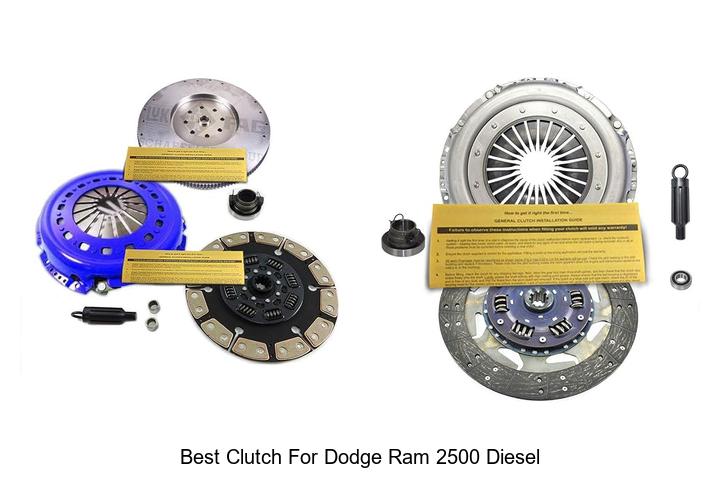
When you push the pedal down, it moves a hydraulic or cable system that activates the clutch release fork. This fork presses against the release bearing, which then pushes on the diaphragm spring of the pressure plate.
As a result, the pressure plate moves away from the clutch disc, releasing its grip on the flywheel. This separation temporarily disconnects the engine’s power from the transmission, allowing the gears to spin freely without grinding.
When you release the pedal, the pressure plate clamps the clutch disc back against the flywheel, re-establishing the connection so power flows smoothly again.
Why Use the Clutch Pedal to Change Gears?
Because shifting gears requires temporarily disconnecting the engine from the wheels, you use the clutch pedal to make this process smooth and damage-free.
Without pressing the clutch, the gears would grind, causing wear and potential failure.
Using the clutch pedal guarantees your gear changes are:
- Seamless, preventing jerks or sudden stops
- Controlled, allowing precise timing for shifts
- Safe, avoiding mechanical damage to the transmission
- Efficient, helping maintain vehicle performance and fuel economy
How the Clutch Pedal Protects Your Transmission
Pressing the clutch pedal not only helps you shift gears smoothly but also plays an important role in protecting your transmission from damage.
When you press the clutch, it temporarily disconnects the engine from the wheels, preventing sudden jolts or grinding between gears. This separation reduces stress on the transmission’s internal components, like gears and synchros, which can wear out quickly if forced to mesh improperly.
Without using the clutch, you risk causing excessive friction and heat, leading to costly repairs or even transmission failure. By engaging the clutch properly, you make certain that gear changes happen gently and precisely, extending the life of your transmission.
When and How to Press the Clutch Pedal While Driving
Whenever you need to change gears or come to a stop, you’ll use the clutch pedal to smoothly disengage the engine from the transmission.
Press the clutch pedal fully before shifting to avoid grinding gears. You should also press it when starting the car in gear or coming to a complete halt. Releasing the pedal gradually helps prevent stalling and guarantees a smooth changeover.
Keep these tips in mind when pressing the clutch pedal:
- Press the pedal all the way down before shifting gears
- Release it slowly to engage the engine smoothly
- Use the clutch when stopping or starting on a hill
- Avoid riding the clutch by keeping your foot off when not shifting
Proper clutch use enhances control and protects your car’s drivetrain.
Common Clutch Pedal Mistakes to Avoid
Using the clutch pedal correctly takes practice, and even small mistakes can affect your car’s performance and longevity.
One common error is riding the clutch—keeping your foot partially on the pedal when you don’t need to. This causes unnecessary wear and overheating. Avoid resting your foot on the clutch while driving; it wears the release bearing.
Another mistake is releasing the clutch too quickly, which can cause jerky movements and strain the transmission. Don’t forget to fully press the clutch when shifting gears; failing to do so can grind gears and damage the gearbox.
Finally, avoid resting your hand on the gear stick, as this can apply pressure to the linkage and lead to premature wear.
Stay mindful, and you’ll protect your car’s clutch system.
How to Master Clutch Control for Smooth Starts and Stops
Although mastering clutch control can seem challenging at first, developing a smooth technique for starts and stops will make driving easier and protect your car’s transmission.
To get comfortable, focus on these key steps:
- Press the clutch fully before shifting into first gear or neutral.
- Slowly release the clutch pedal until you feel the “biting point,” where the car starts to move.
- Apply gentle pressure to the accelerator as you ease off the clutch to prevent stalling.
- Practice stopping by pressing the clutch fully before braking to avoid jerks or engine stalls.
What Causes Clutch Pedal Problems and How to Spot Them
Several common issues can cause your clutch pedal to feel different or stop working properly. A worn clutch cable or hydraulic system leaks often lead to a soft or spongy pedal.
If you notice difficulty shifting gears or the pedal sticking to the floor, it might indicate a problem with the clutch master or slave cylinder. Grinding noises when pressing the pedal can signal a failing release bearing.
You might also spot fluid leaks under your car, which suggest hydraulic trouble. Additionally, a stiff pedal could mean a damaged or rusty clutch linkage.
Pay close attention to any changes in pedal feel or unusual noises—they’re your first clues that the clutch system needs inspection or repair to avoid bigger problems down the road.
How Clutch Pedal Wear Affects Your Car’s Performance
When your clutch pedal wears down, you’ll notice it affects how smoothly your car responds during gear changes.
You might feel the pedal becoming spongy or harder to press, which impacts your control. This wear can lead to:
- Delayed or rough gear shifts
- Increased clutch slippage, reducing power transfer
- Higher engine revving without acceleration
- Premature wear on transmission components
These symptoms don’t just make driving uncomfortable—they can cause further mechanical issues.
By recognizing how clutch pedal wear changes your car’s behavior, you can better understand the urgency of addressing it.
Keeping your clutch pedal in good shape guarantees your vehicle maintains peak performance and longevity, giving you a smoother, safer driving experience every time you shift gears.
When to Inspect or Repair Your Clutch Pedal and System
Noticing changes in how your clutch pedal feels or how your car shifts gears is a clear sign you should check the clutch system sooner rather than later.
If the pedal feels spongy, stiff, or if it sticks, it’s time to inspect the components. Grinding noises when shifting, slipping gears, or difficulty engaging the clutch also point to potential issues.
Don’t wait for complete failure—delaying repairs can cause damage to the flywheel or transmission. Regularly inspect the clutch cable or hydraulic system for leaks or wear.
If you notice a change in the pedal’s engagement point or if the car lurches unexpectedly, schedule a professional evaluation.
Prompt attention keeps your car running smoothly and prevents costly repairs down the road.
Tips for Extending the Life of Your Clutch Pedal and System
If you want your clutch pedal and system to last, adopting good driving habits is essential. Proper use reduces wear and prevents costly repairs.
Here are some tips to help you extend the life of your clutch:
- Avoid riding the clutch pedal; keep your foot off unless shifting gears.
- Use the handbrake on hills instead of holding the clutch to prevent slipping.
- Shift gears smoothly without forcing the pedal to minimize stress on the system.
- Perform regular maintenance checks to catch early signs of wear or damage.
Frequently Asked Questions
Can I Drive a Manual Car Without Using the Clutch Pedal?
You can’t properly drive a manual car without using the clutch pedal because it’s essential for shifting gears smoothly. Trying to skip it will cause grinding and damage the transmission, so always use the clutch when driving.
How Does the Clutch Pedal Affect Fuel Efficiency?
Using the clutch pedal properly helps you shift smoothly, reducing engine strain and fuel waste. If you ride or slip the clutch, you’ll burn more fuel, so mastering it improves your car’s fuel efficiency considerably.
Are Clutch Pedals Different in Electric Vehicles?
You won’t find clutch pedals in most electric vehicles since about 99% use single-speed transmissions. That means you’re steering without a clutch, enjoying smoother, simpler driving with less gear shifting and more focus on the road.
What Are the Signs of a Failing Clutch Pedal Sensor?
You’ll notice difficulty shifting gears, the engine stalling, or the clutch warning light turning on. If your car struggles to start or feels unresponsive when pressing the pedal, your clutch pedal sensor might be failing.
Can Clutch Pedal Issues Cause the Car to Stall Unexpectedly?
Yes, clutch pedal issues can cause your car to stall unexpectedly. If the sensor or linkage malfunctions, it might not disengage the clutch properly, making the engine stall when you try to shift or start moving.
Conclusion
You might think using the clutch pedal feels tricky or unnecessary, but it’s actually your car’s way of smoothly connecting the engine to the wheels. Without it, changing gears would be rough and could damage your transmission. By mastering the clutch pedal, you not only protect your car but enjoy a smoother ride. With a little practice and regular care, you’ll find it becomes second nature—and your car will thank you for it.