How Long Do Brake Pads Last and When to Replace Them
You can expect your brake pads to last between 30,000 and 70,000 miles, but this depends on your vehicle type and driving habits. If you hear squealing, grinding, or notice a soft brake pedal or pulling, it’s time to replace them immediately. Visual checks for pad thickness under ¼ inch also signal replacement. Proper maintenance and smooth driving can extend their life. Keep going to understand signs, inspection tips, and how different vehicles affect pad wear.
How Long Do Brake Pads Typically Last?
Brake pads usually last between 30,000 and 70,000 miles, but how long yours will depend on several factors.
Generally, if you drive mostly on highways, your brake pads tend to wear slower compared to city driving, where frequent stopping is common. You might notice your pads lasting closer to the 70,000-mile mark in such cases.
However, if you often drive in heavy traffic or hilly areas, expect them to wear out sooner.
It’s important to check your brake pads regularly because worn pads can reduce braking efficiency and increase stopping distance.
Even if you don’t see obvious symptoms, monitoring your brake pads helps you avoid unexpected issues and keeps your vehicle safe on the road.
What Factors Affect Brake Pad Lifespan?
Although many drivers overlook it, several key factors directly influence how long your brake pads last. Your driving habits play a huge role—frequent hard stops and aggressive driving wear them out faster.
The type of vehicle you drive also matters; heavier vehicles put more stress on brake pads. Road conditions affect lifespan too; stop-and-go city traffic causes quicker wear compared to highway driving.
Additionally, the quality of brake pads you choose impacts durability—premium pads generally last longer. Environmental factors like dust, dirt, and moisture can accelerate wear as well.
Finally, proper maintenance, such as regular inspections and timely brake fluid changes, helps extend their life. Understanding these factors helps you predict when you might need replacements and keeps your braking system reliable.
Signs Your Brake Pads Need Immediate Replacement
Paying attention to warning signs can save you from costly repairs and guarantee your safety on the road.
If you hear a high-pitched squealing when braking, it’s likely your brake pads’ wear indicators alerting you.
Feeling a spongy or soft brake pedal means air or fluid issues, but worn pads can also cause this sensation.
Notice any grinding noises? That’s metal-on-metal contact, signaling your pads are completely worn and need immediate replacement.
If your vehicle pulls to one side while braking, uneven pad wear might be the culprit.
Also, if your stopping distance suddenly increases, don’t ignore it.
These signs mean your brake pads have deteriorated considerably and require prompt attention to keep your brakes effective and your drives safe.
How to Visually Inspect Your Brake Pads at Home
Before you decide to visit a mechanic, you can check your brake pads yourself with just a few simple steps.
First, park your car on a flat surface and turn off the engine. Look through the spaces between the wheel spokes to spot the brake pads clamping the rotor. You might need a flashlight for better visibility.
Brake pads have a metal backing plate and a friction material layer; if the friction material is less than ¼ inch thick, it’s time to replace them.
You can also remove the wheel for a clearer view, but only if you’re comfortable doing so. Regular visual inspections help you catch wear early, keeping your brakes reliable and safe without unnecessary trips to the shop.
What Noises Mean Your Brake Pads Are Worn
Three common noises can signal your brake pads are worn and need attention.
First, a high-pitched squealing often means the wear indicator is scraping against the rotor, warning you to replace the pads soon.
Second, a grinding sound usually indicates the pads are completely worn down, causing metal-to-metal contact—a serious issue that demands immediate brake service.
Third, a clicking or popping noise when braking might suggest loose or damaged components, but worn pads can also contribute.
If you hear any of these sounds, don’t ignore them. They’re your car’s way of telling you it’s time for a brake check.
Addressing these noises promptly helps maintain safe stopping power and prevents costly damage to your braking system.
Why Brake Pad Thickness Matters for Replacement
Knowing the exact thickness of your brake pads can make all the difference in deciding when to replace them. If the pads are too thin, they won’t provide enough friction to stop your vehicle safely.
Checking thickness helps prevent damage to other brake components and costly repairs. Here’s why thickness matters:
- Safety – Thicker pads guarantee reliable stopping power.
- Performance – Adequate thickness maintains braking efficiency.
- Cost Savings – Replacing pads before they wear out protects rotors.
- Legal Compliance – Some regions require minimum pad thickness for inspection.
Regularly measuring your brake pad thickness helps you avoid unexpected failures and keep your brakes in prime condition.
Don’t wait until you hear warning noises; proactive checks are key to safe driving.
How Driving Habits Influence Brake Pad Wear
While your brake pads naturally wear over time, how you drive plays a big role in how quickly that happens. If you frequently brake hard or ride your brakes, you’ll wear them down much faster. Aggressive driving with sudden stops puts extra stress on the pads, causing them to heat up and degrade prematurely.
On the other hand, smoother driving, where you anticipate stops and brake gently, helps extend their lifespan. City driving with lots of stop-and-go traffic also wears brake pads quicker than highway driving, where braking is less frequent.
Being mindful of your braking habits can save you money and improve safety. Adjusting how you approach stopping not only prolongs brake pad life but also maintains better overall vehicle control.
How Weather Affects Your Brake Pads
Because weather conditions vary so much, they can have a significant impact on how your brake pads perform and wear.
You’ll notice that extreme temperatures and moisture levels directly influence braking efficiency and pad longevity.
Here’s how different weather factors affect your brake pads:
- Cold Weather: Causes brake pads to harden, reducing grip and increasing wear during initial stops.
- Hot Weather: Accelerates pad wear due to higher friction and heat buildup.
- Wet Conditions: Water reduces friction temporarily but can lead to corrosion on metal components, affecting pad performance.
- Road Salt and Debris: Common in winter, salt accelerates corrosion, damaging brake components and wearing down pads faster.
The Difference Between Organic, Ceramic, and Semi-Metallic Brake Pads
When you choose brake pads, understanding the differences between organic, ceramic, and semi-metallic types can help you find the best fit for your driving needs.
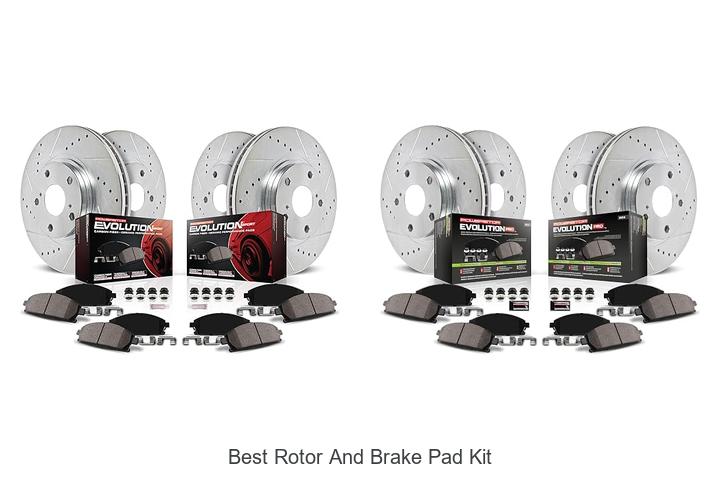
Organic pads, made from materials like rubber and resins, offer quiet braking and are gentle on rotors but wear out faster.
Ceramic pads provide excellent stopping power, produce less dust, and last longer, making them great for daily driving.
Semi-metallic pads combine metal fibers with organic materials, offering superior heat transfer and durability, ideal for heavy-duty or performance driving, but they can be noisier and cause more rotor wear.
Why Ignoring Worn Brake Pads Can Damage Your Rotors
If you keep driving with worn brake pads, you risk serious damage to your rotors.
When pads wear down completely, the metal backing plate contacts the rotor surface directly, causing grooves and scoring. This damage compromises braking efficiency and leads to costly repairs.
Here’s why ignoring worn pads harms your rotors:
- Metal-on-metal contact erodes the rotor surface.
- Heat buildup from friction warps or cracks rotors.
- Damaged rotors cause vibrations and uneven braking.
- Rotor replacement costs far more than new pads.
When to Choose Professional Brake Inspections
Although you can monitor your brake pads yourself, certain signs mean it’s time to get a professional brake inspection.
If you hear squealing, grinding, or unusual noises when braking, don’t wait. These sounds often indicate worn pads or other brake issues.
Also, if your brake pedal feels soft, spongy, or requires more effort, have a technician check your system immediately.
Vibrations or pulling to one side when braking are other red flags that a professional should evaluate.
Regular inspections every 12,000 miles or at least once a year help catch problems early.
Trusting a trained mechanic guarantees that all brake components, including pads, rotors, and fluid, are thoroughly assessed, keeping you safe on the road.
Tips to Extend the Life of Your Brake Pads
Since brake pads wear down over time, you can take simple steps to maximize their lifespan and save money on replacements.
Here’s how to extend your brake pads’ life:
- Drive Smoothly: Avoid sudden stops and rapid acceleration. Gentle braking reduces wear.
- Maintain Proper Speed: Driving at moderate speeds lessens brake stress, which conserves pad material.
- Use Engine Braking: Shift to lower gears when descending hills to reduce reliance on brakes.
- Keep Your Brakes Clean: Remove dirt and debris regularly to prevent uneven wear and overheating.
How Often to Replace Brake Pads for Different Vehicle Types
Knowing how often to replace your brake pads depends largely on the type of vehicle you drive.
For compact cars, brake pads typically last between 30,000 to 50,000 miles, while SUVs and trucks may wear out pads closer to 20,000 to 40,000 miles due to their heavier weight and towing demands.
Performance and sports cars tend to need replacements more often, sometimes as early as 20,000 miles, because of aggressive driving and higher speeds.
Electric vehicles usually experience less brake wear thanks to regenerative braking, so their pads can last beyond 50,000 miles.
Always check your owner’s manual for specific recommendations and consider your driving habits.
Regular inspections help you spot wear early, ensuring your brake pads are replaced timely for your vehicle type.
Frequently Asked Questions
Can Worn Brake Pads Affect My Car’s Fuel Efficiency?
If your brake pads are feeling a bit tired, they can quietly nudge your fuel efficiency down. You’ll notice your car working harder, sipping more gas than usual, so replacing them keeps your ride smooth and economical.
How Do Brake Pads Differ in Electric Vehicles?
Electric vehicles use regenerative braking, so your brake pads last longer since they engage less often. You’ll still need to check them regularly, but they generally wear out slower than in traditional gas cars.
Are Brake Pad Replacement Costs Covered by Warranty?
You won’t believe it, but brake pad replacement costs rarely get covered by warranties! Usually, you’ve got to pay out of pocket since pads wear out naturally—only defects or premature failures might qualify for coverage.
Can I Replace Brake Pads Myself Safely?
Yes, you can replace brake pads yourself safely if you have the right tools and follow instructions carefully. Just make sure to work on a stable surface, wear safety gear, and double-check everything before driving.
Do Brake Pads Emit Harmful Dust or Particles?
Brake pads do release tiny “whispers” of dust when you brake, which can be a bit unfriendly to your lungs over time. You should use protective gear or opt for low-dust pads to keep things safer and cleaner.
Conclusion
Picture the smooth, confident stop of your car every time you press the brake pedal—that’s the feeling you want to hold onto. By knowing when to replace your brake pads and spotting warning signs early, you keep your drives safe and stress-free. Don’t let worn pads turn into costly rotor damage. Stay proactive, listen for those noises, and give your brakes the care they deserve to keep you stopping strong, mile after mile.